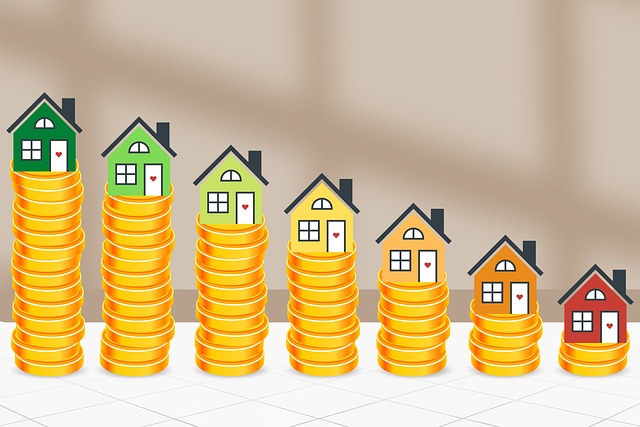
Wall insulation and energy-efficient systems are crucial for real estate, boosting property value through enhanced comfort, reduced utility costs, and environmental sustainability. These features appeal to eco-conscious buyers/tenants, offering long-term savings and strategic advantages for investors while preserving the planet.
In today’s competitive real estate market, understanding and implementing effective wall insulation and efficient systems is crucial for both homeowners and investors. This article delves into these essential components, offering insights on how they can enhance energy efficiency, reduce costs, and increase property values. From understanding the intricacies of wall insulation to exploring eco-friendly solutions, this guide provides practical steps for real estate professionals to stay ahead in a market that increasingly values sustainability.
Understanding Wall Insulation in Real Estate

In the realm of real estate, understanding wall insulation is key to enhancing energy efficiency and property value. Proper insulation acts as a protective barrier, reducing heat transfer between the interior and exterior environments. This is particularly crucial in regions with extreme climates, where homes are subjected to intense cold or heat. By insulating walls, homeowners can significantly improve comfort levels while lowering heating and cooling costs, thereby increasing the overall energy efficiency of the property.
Moreover, modern wall insulation options come with advanced features designed to mitigate noise pollution and enhance acoustic comfort. In dense urban areas, this becomes a valuable asset as it contributes to a quieter indoor environment. For real estate investors and developers, incorporating efficient insulation systems during construction or renovation projects can be a game-changer, attracting eco-conscious buyers and tenants who prioritize sustainability and cost savings.
Efficient Systems: Key to Energy Savings
In today’s real estate market, energy efficiency is a key selling point for any property. Efficient systems, including smart thermostats and LED lighting, play a pivotal role in reducing energy consumption and utility bills. These advanced technologies not only contribute to environmental sustainability but also enhance the comfort and livability of homes. By integrating such systems, homeowners can enjoy year-round temperature control, lower electricity costs, and improved indoor air quality.
Moreover, efficient systems offer long-term savings and increased property value. Real estate investors and buyers alike recognize the appeal of energy-efficient homes. These properties not only attract tenants or buyers seeking cost-saving measures but also command higher rental rates or sale prices in competitive markets. Investing in efficient systems is a strategic move that pays off both environmentally and financially, ensuring a brighter future for both homeowners and the industry as a whole.
Integrating Eco-Friendly Solutions in Homes

Integrating eco-friendly solutions into homes is a growing trend that benefits both the environment and real estate values. By adopting sustainable practices, homeowners can reduce their carbon footprint while increasing energy efficiency, leading to long-term savings on utility bills. Simple yet effective measures like installing insulation in walls and opting for efficient heating and cooling systems contribute significantly to a greener lifestyle.
These solutions not only help preserve the planet but also enhance the appeal of properties in today’s market. Real estate investors and buyers increasingly prioritize eco-friendly homes, recognizing their long-term benefits. Integrating these practices can be as simple as choosing energy-efficient appliances or as comprehensive as utilizing renewable energy sources, making modern homes more attractive and valuable in a sustainable future.