Investing in solar panels and geothermal systems for real estate offers significant long-term savings and enhanced property value through renewable energy solutions. These systems reduce electricity and heating/cooling costs, are integrated into new or existing buildings, and attract eco-conscious buyers. Technological advancements and government incentives further increase profitability, making solar and geothermal investments a wise choice for real estate investors in diverse markets.
In the pursuit of sustainable and cost-effective energy solutions, real estate stands at a crossroads. The escalating global shift towards renewable energy sources necessitates a reevaluation of traditional power systems. The pressing issue of climate change demands transformative actions, and among the most promising strategies lie in solar and geothermal technologies. This article delves into the significance of investing in these clean energy alternatives for real estate developers, property owners, and stakeholders. By exploring the benefits and implementation strategies, we aim to provide valuable insights, fostering a more sustainable future for the industry.
Understanding Solar and Geothermal Benefits for Real Estate

Investing in solar and geothermal solutions offers significant advantages for real estate properties. These renewable energy sources not only reduce operational costs but also enhance property value and contribute to a more sustainable future. In terms of real estate naturally, solar panels and geothermal systems can be integrated into new constructions or retrofitted onto existing buildings, providing immediate benefits for both homeowners and landlords.
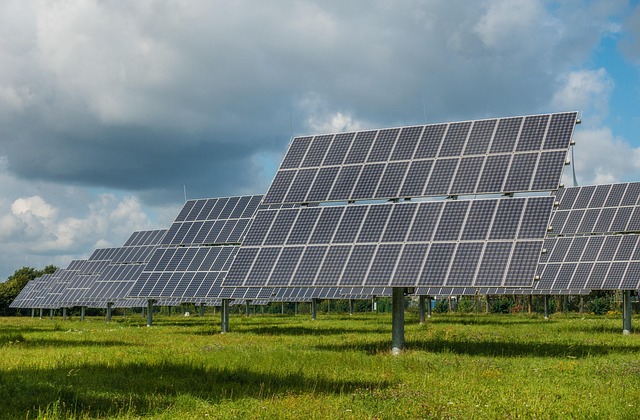
Solar power harnesses the abundance of sunlight, converting it into electricity through photovoltaic cells. This clean energy source is particularly advantageous in regions with high sunshine hours, where it can meet a substantial portion of a property’s energy demand. For instance, according to the International Energy Agency, solar photovoltaics have experienced a compound annual growth rate (CAGR) of over 30% since 2010, making it one of the fastest-growing energy technologies globally. In real estate naturally, solar panels can be strategically placed on rooftops or in open spaces to maximize sunlight exposure, resulting in substantial long-term savings on electricity bills.
Geothermal systems, on the other hand, tap into the Earth’s internal heat to provide efficient heating and cooling solutions. By using pipes buried underground to transfer heat, these systems offer a consistent and eco-friendly alternative to traditional HVAC systems. For real estate naturally, geothermal heat pumps (GHPs) can reduce energy consumption by up to 44% compared to standard heating and cooling systems, according to the U.S. Environmental Protection Agency. This not only translates into lower utility costs for occupants but also adds a desirable feature for potential buyers, making properties more attractive in today’s market.
In light of these benefits, experts encourage property owners to consider solar and geothermal solutions as part of their real estate portfolio. To put it simply, investing in renewable energy is not just an environmentally responsible choice; it’s a strategic decision that can drive long-term value and sustainability for properties in diverse markets. Whether through tax incentives, utility savings, or enhanced property values, harnessing the power of solar and geothermal technologies offers tangible advantages for real estate naturally.
Installation Process: A Step-by-Step Guide to Home Energy Solutions

Investing in solar or geothermal solutions is not just a smart move for reducing energy costs; it’s a strategic decision with significant long-term benefits, especially in the realm of real estate. The installation process involves several key steps designed to maximize efficiency and minimize disruption. Let’s explore this transformative journey from assessment to activation.
First, a thorough site assessment is crucial. This includes evaluating sunlight exposure for solar panels or ground conditions for geothermal systems. For homeowners, consulting with certified professionals ensures accurate recommendations tailored to specific needs. Consider location-specific data; according to the U.S. Energy Information Administration, solar capacity factors vary by region, with optimal performance in areas receiving ample year-round sunshine.
Next, design and engineering come into play. Experts will map out the system layout, considering factors like panel placement or loop configuration for geothermal. This phase involves advanced modeling software to predict energy output and ensure alignment with your home’s energy demands. For instance, a typical residential solar installation can offset 60-70% of a home’s electricity usage, significantly reducing utility bills.
Once the design is finalized, procurement and installation follow. This step includes acquiring high-quality equipment from reputable manufacturers and scheduling skilled technicians for seamless integration into your property. Proper installation ensures longevity, safety, and optimal performance. Geothermal systems, with their complex loops and pumps, demand expert handling to maintain efficient energy exchange between your home and the earth’s temperature.
Post-installation, monitoring and maintenance are vital. Smart meters provide real-time data on energy production and consumption, allowing homeowners to track savings. Regular system checks by professionals ensure optimal operation, especially as components age or environmental factors change. Investing in these solutions not only enhances property value but also contributes to a more sustainable future, making it a practical and responsible choice for savvy real estate investors.
Long-Term Savings: The Financial Case for Renewable Energy in Real Estate

Investing in solar and geothermal solutions offers significant long-term savings for real estate properties. The financial case for renewable energy is compelling, driven by decreasing technology costs and stable, often lower, operational expenses compared to traditional fossil fuel systems. A study by the International Renewable Energy Agency (IRENA) shows that solar PV system prices have declined by over 89% since 2010, making them increasingly accessible for property owners.
In real estate, the implementation of solar panels or geothermal heat pumps can substantially reduce utility bills over time. For instance, a homeowner in a sunny region who installs a solar electric system could see electricity costs decrease by 50-70% annually, according to the U.S. Department of Energy. Similarly, geothermal systems provide year-round heating and cooling at a fraction of the cost of traditional HVAC systems, as they leverage constant ground temperatures rather than fluctuating energy prices.
Moreover, many governments offer incentives for adopting renewable energy technologies, including tax credits, rebates, and grants. These can further offset initial installation costs and accelerate the payback period. For real estate investors, combining these savings with potential rental income or property value increases from renewable energy-friendly features presents a compelling case for long-term profitability. It’s crucial to research local regulations and incentives when planning such investments, as policies differ widely across regions.