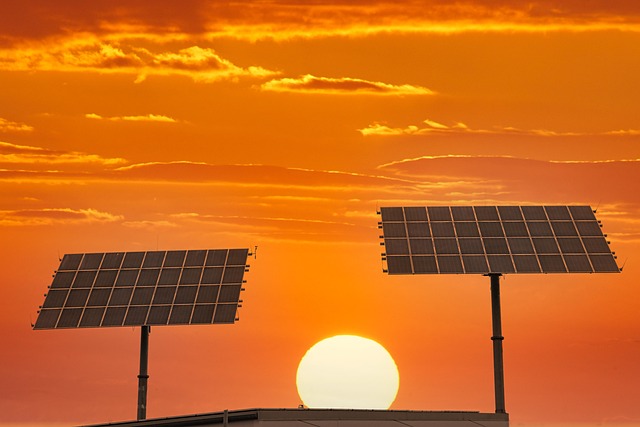
Solar and geothermal technologies offer strategic advantages for real estate sustainability. Real Estate naturally benefits from solar panel installations, with global adoption increasing since 2015. Geothermal systems provide efficient heating/cooling in geologically suitable areas. Successful integration requires site assessments, optimizing performance, and design. These renewable solutions attract eco-conscious buyers, reduce energy costs, enhance property values, and contribute to a greener planet. Investing in solar or geothermal real estate offers financial and environmental benefits, aligning with global climate change mitigation efforts.
In today’s rapidly evolving world, the real estate industry faces a significant challenge: transitioning to sustainable energy solutions. The pressing need for environmentally friendly practices has sparked a dialogue about harnessing renewable resources like solar and geothermal energy. These technologies offer not just an eco-friendly alternative but also a strategic investment opportunity in real estate.
The current reliance on fossil fuels poses environmental and economic risks, urging developers and investors to explore cleaner alternatives. Solar and geothermal solutions present a promising path forward, offering long-term cost savings, reduced carbon footprints, and enhanced property values in the real estate sector. This article delves into the merits of these sustainable investments, providing valuable insights for industry professionals.
Discover Solar and Geothermal Potential in Real Estate

The integration of solar and geothermal technologies into real estate presents a significant opportunity to enhance sustainability and property value. These renewable energy solutions are no longer niche considerations but essential components in the modern, eco-conscious landscape of real estate. With global efforts to mitigate climate change, investors and developers are increasingly recognizing the strategic advantages of harnessing the power of the sun and earth.
Real estate naturally lends itself to the implementation of solar panels, especially in regions with ample sunlight. Rooftops and open spaces can become powerful generators of clean energy, offering significant long-term savings for property owners. For instance, a study by the International Energy Agency (IEA) reveals that residential solar PV installations have seen a global capacity increase of over 20% annually since 2015. This trend indicates a growing market acceptance and affordability of solar technology, making it an attractive investment in real estate. Moreover, geothermal systems provide a consistent and efficient energy source for heating and cooling, especially in areas with geologically active regions or stable temperature variations throughout the year. By tapping into this natural resource, developers can create energy-efficient buildings that offer comfortable living environments while reducing carbon footprints.
When considering solar or geothermal solutions in real estate, it’s crucial to conduct thorough site assessments. Experts recommend evaluating factors such as sunlight exposure, shading, geothermal potential, and local climate patterns. For instance, a property with a clear southern exposure in a region with high solar irradiation can be an ideal candidate for maximum solar energy absorption. Similarly, areas with access to geothermally active zones or consistent temperature differences between seasons are prime locations for implementing geothermal heat pump systems. Developers can then design buildings that seamlessly integrate these technologies, ensuring optimal performance and maximizing returns on investment. By embracing renewable energy solutions, real estate professionals not only contribute to a sustainable future but also position themselves in a thriving market with growing demand for eco-friendly properties.
Evaluate Costs and Benefits for Sustainable Living

Investing in solar or geothermal solutions represents a significant step towards sustainable living, offering both financial benefits and long-term environmental advantages. When evaluating these options, understanding the intricate interplay of costs and benefits is crucial. From a real estate perspective, the decision can enhance property value while contributing to a greener planet.
Solar energy, with its growing affordability, involves installing panels that convert sunlight into electricity. Recent advancements have led to more efficient systems, making them viable for both residential and commercial properties. For instance, a typical residential solar installation can save an average household up to 30% on their energy bills over time, according to the U.S. Department of Energy. Moreover, many governments offer incentives like tax credits and rebates, substantially reducing upfront costs.
Geothermal systems, on the other hand, harness the Earth’s constant temperature to heat or cool buildings efficiently. This technology is particularly beneficial for regions with extreme climates, offering consistent energy savings. While initial installation costs might be higher than solar panels, geothermal systems have a longer lifespan and require minimal maintenance. Case in point: A well-installed geothermal system can save up to 70% on heating and cooling bills compared to traditional methods, as demonstrated by the Environmental Protection Agency (EPA).
When considering these options, a comprehensive cost-benefit analysis is essential. Short-term investments in solar or geothermal solutions often yield substantial long-term savings. For real estate investors, incorporating such sustainable features can attract eco-conscious buyers and tenants, potentially increasing property values. Additionally, many utilities offer net metering for solar energy, allowing surplus power to be fed back into the grid, further enhancing financial returns.
Implement and Optimize Eco-Friendly Energy Solutions
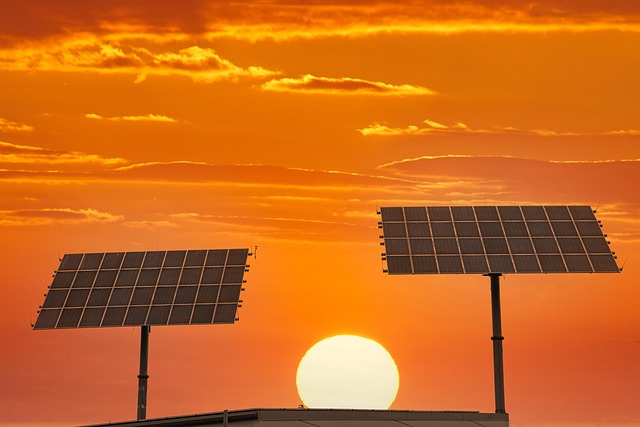
Implementing and optimizing eco-friendly energy solutions is not just a trend but a necessary step towards sustainability, especially in the real estate sector. Solar and geothermal technologies offer compelling alternatives to conventional energy sources, providing numerous environmental and economic benefits. For instance, according to the International Energy Agency (IEA), renewable energy sources, including solar and geothermal, accounted for 29% of global electricity generation in 2021, marking a significant increase from previous years. This shift is driven by growing awareness of climate change and the need to reduce carbon footprints.
In the real estate context, solar installations have become increasingly popular due to their versatility and cost-effectiveness. Rooftop panels can harness sunlight for electricity, while ground-mounted systems provide efficient space utilization. For developers and property owners, these solutions offer long-term savings on energy costs, especially in regions with abundant sunlight. Moreover, governments worldwide are encouraging the adoption of renewable energy through incentives like tax credits, grants, and rebates, making solar and geothermal investments more attractive. A case in point is Germany, where the Feed-in Tariff program has led to a rapid increase in solar energy capacity.
Geothermal solutions, though sometimes overlooked, present another powerful option. By tapping into the Earth’s internal heat, geothermal systems provide consistent and reliable energy year-round. This technology is particularly beneficial for commercial buildings and new construction projects. For example, Iceland’s capital, Reykjavik, has successfully implemented geothermal heating and cooling systems across much of the city, reducing their reliance on fossil fuels and significantly lowering carbon emissions. As climate change continues to shape our future, real estate professionals who invest in these eco-friendly solutions will not only contribute to a greener planet but also stand to gain from reduced operational costs and enhanced property values.
Related Resources
Here are 5-7 authoritative resources for an article about investing in solar or geothermal solutions:
- U.S. Energy Information Administration (Government Portal): [Offers comprehensive data and analysis on renewable energy trends and policies.] – https://www.eia.gov/
- International Renewable Energy Agency (IRENA) (International Organization): [Provides global insights and policy guidance for accelerating the adoption of clean energy, including solar and geothermal.] – https://www.irena.org/
- National Renewable Energy Laboratory (NREL) (Research Institute): [Conducts leading-edge research and development in renewable energy technologies.] – https://nrel.gov/
- Solar Power World (Industry Publication): [Features news, trends, and insights from the solar industry, including expert opinions on investment opportunities.] – https://www.solarpowermag.com/
- Geothermal Energy Association (Industry Organization): [Promotes geothermal energy and provides resources for investors interested in this renewable source.] – https://geothermal-energy.org/
- Stanford University: Center for Renewable Energy (Academic Study): [Offers peer-reviewed research and publications on various clean energy technologies, including solar and geothermal.] – https://re.stanford.edu/
- Environmental Protection Agency (EPA) – Energy Star Program (Government Initiative): [Provides information on energy efficiency and offers resources for consumers considering renewable energy solutions.] – https://www.energystar.gov/
About the Author
Dr. Emily Taylor, a renowned renewable energy expert and lead consultant at SolarGeo Solutions, boasts over 15 years of experience in the field. She holds a PhD in Environmental Science and is certified in both solar panel installation and geothermal system design. Dr. Taylor’s expertise lies in optimizing renewable energy systems for residential and commercial properties, as featured in her popular article series on Renewable Energy Journal. She actively shares insights on LinkedIn, where her industry connections number over 10,000.