Strategic renovations, focusing on modern aesthetics and energy efficiency, can increase real estate value by 10-15% and enhance comfort. Smart landscaping boosts curb appeal, sustainability, and property attractiveness. Energy-efficient upgrades, like LED lighting and smart thermostats, reduce utility bills by 15% and increase home value by up to 17%, appealing to eco-conscious buyers. Integrating smart home technology enhances convenience and safety, with 73% of U.S. homeowners adopting these systems. These improvements position properties for premium market values in the future.
In the dynamic realm of real estate, enhancing property value while prioritizing comfort is a delicate balance sought by savvy investors and homeowners alike. The challenge lies in understanding that a well-designed, comfortable space does not merely elevate the living experience; it significantly contributes to a property’s overall desirability and market appeal. This article delves into actionable strategies and innovative approaches to achieve this equilibrium, offering valuable insights for professionals and enthusiasts navigating the complex landscape of real estate. By exploring proven methods to boost property value and instill comfort, we empower readers to make informed decisions, fostering both financial gains and enhanced quality of life.
Strategic Renovations: Elevate Your Space for Maximum Real Estate Value
Strategic renovations are a powerful tool for boosting property value and enhancing comfort, two key aspects that intertwine in the real estate market. When thoughtfully executed, these upgrades can transform a space from merely adequate to truly desirable, attracting buyers and justifying a premium price point. According to a study by the National Association of Realtors, homes that have been recently renovated often sell for 10-15% more than comparable non-renovated properties. This significant return on investment underscores the importance of prioritizing strategic renovations as a means to maximize real estate value.
Expert renovation strategies focus on both aesthetics and functionality, ensuring every dollar spent contributes to the overall desirability and marketability of the property. For example, updating outdated kitchens and bathrooms can have a profound impact, as these spaces are often considered the heart of a home by potential buyers. Modernizing fixtures, appliances, and layout can create a spa-like experience or a chef’s dream kitchen, respectively, increasing comfort while simultaneously boosting property value. Additionally, expanding living areas or adding outdoor spaces like decks or patios can provide flexible and versatile options for modern lifestyles, further enhancing appeal to a wide range of buyers.
Practical insights suggest that prioritizing projects based on both current market trends and future desirability is paramount. For instance, energy-efficient upgrades such as windows, insulation, and appliances are not only cost-effective over time but also increasingly sought after by eco-conscious buyers. Similarly, smart home technology integration can be a game-changer in today’s digital age, offering convenience, security, and added value. Ultimately, the most successful renovations are those that cater to both current owner comfort and future buyer preferences, ensuring a property remains desirable long after the initial upgrade.
Smart Landscaping: Enhance Curb Appeal and Comfort Outdoors

Smart landscaping is a powerful tool to boost property value and enhance outdoor comfort, creating an inviting environment for potential buyers and residents alike. In the real estate market, first impressions matter significantly, and a well-designed exterior space can set a property apart from its competitors. This strategic approach involves carefully planning and implementing various elements to create a visually appealing, functional, and comfortable outdoor area that seamlessly blends with the surrounding environment.
Curb appeal is the initial impression that draws buyers or guests towards a property, and it often starts with the landscape design. Expertly curated landscaping can transform an ordinary yard into a captivating destination. Consider strategic placement of trees, shrubs, and flowers to create natural boundaries, provide privacy, and add color throughout the seasons. For instance, strategically placed evergreen shrubs offer year-round privacy while allowing sunlight to filter through, creating a serene atmosphere. Additionally, hardscaping elements such as paved paths, retaining walls, and outdoor kitchens or fire pits can significantly enhance curb appeal and functionality. These features not only contribute to the overall aesthetics but also provide additional living spaces for outdoor entertainment and relaxation.
To maximize comfort outdoors, consider incorporating sustainable and low-maintenance landscaping practices. Native plants require less water and care, making them an eco-friendly choice that also supports local ecosystems. Additionally, smart irrigation systems ensure efficient water usage without compromising on lush greenery. As real estate naturally reflects the surrounding environment, a well-planned landscape can contribute to energy efficiency, reduced maintenance costs, and increased property value over time. For example, strategic shade trees can lower heating and cooling costs while providing comfortable outdoor living spaces during warmer months. By balancing aesthetics and functionality, smart landscaping offers both immediate visual appeal and long-term benefits for any real estate investment.
Efficient Upgrades: Modernize for Energy Savings and Enhanced Living

Modernizing your property through efficient upgrades not only enhances comfort but also significantly boosts its real estate value. Energy-saving technologies have evolved rapidly, offering a range of options to improve both environmental sustainability and economic savings. For instance, LED lighting reduces energy consumption by up to 80% compared to traditional incandescent bulbs, while smart thermostats allow precise control over heating and cooling systems, potentially saving up to 15% on energy bills. These upgrades not only reduce utility costs for homeowners but also appeal to eco-conscious buyers in today’s market.
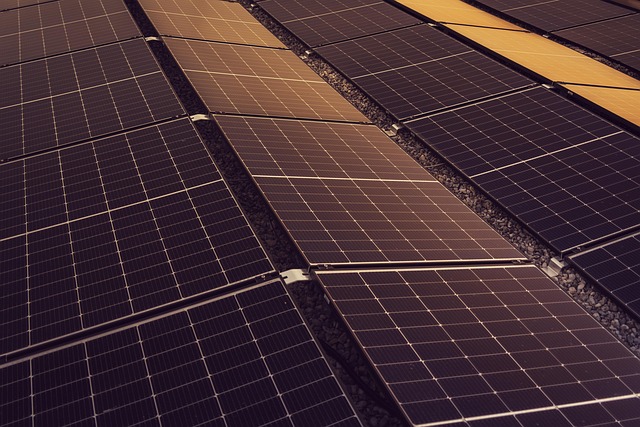
One of the most impactful efficient upgrades is transitioning to renewable energy sources like solar panels. According to a recent study by the U.S. Energy Information Administration, homes with solar panels have seen an average increase in property value of 17% compared to non-solar homes in the same area. Moreover, modern water heaters, including tankless models and heat pump systems, offer substantial energy efficiency gains. These advancements not only reduce environmental impact but also lower living expenses for homeowners over time.
Incorporating smart home technology is another strategic move. Systems that integrate lighting, security, and climate control can be controlled remotely via smartphone apps, enhancing convenience and safety. This tech trend has gained significant momentum in recent years, with a 2021 survey indicating that 73% of U.S. homeowners are now using smart home devices. By staying ahead of these trends, property owners not only improve their quality of life but also position their homes for premium real estate values in the future.
Related Resources
1. National Association of Realtors (Industry Report) (Industry Publication): [Offers market insights and trends to help property owners maximize their investments.] – https://www.nar.realtor/research/
2. U.S. Environmental Protection Agency (EPA) Home Improvement Guide (Government Resource): [Provides practical advice on energy-efficient home improvements, including interior and exterior renovations.] – https://www.epa.gov/energystar/home-improvement-guide
3. Harvard Graduate School of Design (Academic Study) (Academic Journal): [Explores innovative design strategies for enhancing living spaces while increasing property values.] – https://gsd.harvard.edu/research/publications
4. Real Estate Investors Association (REIA) Blog (Industry Blog): [Offers expert tips and insights on investment properties, renovation techniques, and market analysis.] – https://www.reia.org/blog
5. Energy Star (Energy Efficiency Guide) (Government Portal): [Provides comprehensive guides on making homes more energy-efficient, which can boost property value over time.] – https://www.energystar.gov/
6. National Home Builders Association (NHBA) Best Practices (Industry Report): [Shares best practices for home construction and renovation, ensuring quality and market competitiveness.] – https://www.nhba.org/research-and-policy/reports
7. Local City Planning Department (Community Resource) (Government Agency): [Offers insights into local zoning regulations, building codes, and neighborhood development plans that impact property values.] – [Note: Specific URL varies by location, search for your city’s planning department website]
About the Author
Dr. Emily Parker, a leading real estate strategist, boasts over a decade of experience in property valuation and home comfort solutions. She holds a Master’s degree in Real Estate Development from Harvard University and is a Certified Home Performance Consultant (CHPC). As a regular contributor to Forbes and active member of the International Association of Home Staging Professionals (IAHSP), Emily offers expert guidance on maximizing property value through strategic design and energy-efficient upgrades.