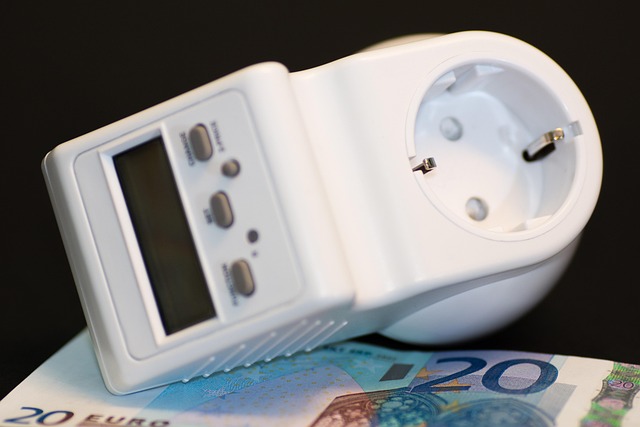
LED technology is transforming real estate globally by offering superior energy efficiency, enhanced aesthetics, and long-term cost savings. Replacing outdated bulbs with LED alternatives is a straightforward strategy for real estate properties to reduce energy bills, contribute to environmental sustainability, and optimize property value. A U.S. Department of Energy study shows commercial buildings can save 25-80% on energy costs by switching to LED bulbs, which have a lifespan of over 50,000 hours compared to just 1,000 hours for incandescent bulbs.
In the realm of Real Estate, enhancing energy efficiency is not just an environmental responsibility; it’s a strategic decision with tangible benefits. The outdated lighting infrastructure across properties represents a significant waste of resources, contributing to elevated utility costs and reduced resilience against rising energy prices. The problem is clear: traditional incandescent bulbs are energy guzzlers, generating heat rather than light and offering limited lifespan.
This article presents a solution: the strategic swap to LED technology. By embracing this game-changer, Real Estate professionals can instantly cut energy consumption, reduce maintenance headaches, and create more comfortable, modern living spaces.
Understanding LED Technology: Benefits for Real Estate

LED technology has emerged as a game-changer in the realm of lighting, offering significant advantages for real estate sectors worldwide. This advanced lighting solution provides more than just energy efficiency; it transforms spaces, enhances aesthetics, and contributes to long-term cost savings—all vital considerations for property owners and managers. By swapping traditional bulbs for LEDs, real estate professionals can expect a range of benefits tailored to their specific needs.
One of the most compelling advantages is the exceptional energy efficiency of LED lights. These energy-saving bulbs consume significantly less electricity than incandescent or fluorescent alternatives, translating to reduced utility bills and lower operational costs over time. In commercial real estate, for instance, where lighting accounts for a substantial portion of energy expenses, transitioning to LEDs can lead to considerable savings. According to recent studies, LED adoption in buildings has been linked to an average 25-40% reduction in lighting energy consumption, contributing to more sustainable and cost-effective operations.
Furthermore, LED technology offers enhanced control and customization options, providing real estate professionals with the flexibility to tailor lighting to different spaces and moods. Dimmable LEDs allow for precise light adjustment, creating ambient atmospheres or optimizing task performance as needed. This level of control not only enhances occupant comfort but also enables energy-saving strategies like dimming during off-peak hours. For example, smart LED systems integrated into a mixed-use building can dynamically adjust lighting based on occupancy and time of day, ensuring optimal energy use without compromising functionality.
Replacing Bulbs: A Step-by-Step Guide

Replacing outdated bulbs with LED alternatives is a simple yet powerful way to enhance energy efficiency and cut costs in any real estate property. The process involves a few straightforward steps designed to ensure smooth transitions, minimizing disruption to your routine or lifestyle. Begin by gathering the necessary materials: new LED bulbs compatible with your fixture, a ladder (for higher reaches), and possibly a screwdriver for accessing hard-to-reach sockets. Turn off the relevant circuit breaker to ensure safety during the replacement process, as electrical work can pose potential hazards.
Next, carefully remove the old bulbs from their sockets. This might involve unscrewing the bulb or pulling it out, depending on your fixture type. Discard the old bulbs responsibly, following local guidelines for hazardous waste disposal. Once the old bulbs are removed, install the new LED bulbs by screwing them into place until they fit tightly and securely. Ensure each bulb is firmly in its socket to avoid future issues with flickering or premature burnout.
After installing the new bulbs, test their functionality by flipping on the circuit breaker and checking each light for proper illumination. Enjoy immediate energy savings as LED technology is renowned for its efficiency, consuming up to 80% less energy than incandescent bulbs while lasting significantly longer. This simple upgrade can substantially reduce your energy bills over time and contribute to a greener environment, making it an attractive option for any real estate owner or manager looking to optimize their property’s value and sustainability.
The Environmental Impact: Saving Energy in Real Estate
The switch to LED bulbs is not just a smart choice for reducing energy costs; it also represents a significant step towards a more sustainable future, particularly within the real estate sector. Real Estate, known for its substantial energy consumption, can benefit greatly from this simple yet powerful change. LEDs use up to 85% less energy than traditional incandescent bulbs, which translates into considerable savings for property owners and managers. This reduced energy demand also lowers carbon emissions, contributing to global efforts to combat climate change.
In a typical commercial building, the lighting system accounts for a significant portion of overall energy usage. By retrofitting existing fixtures with LED technology, real estate professionals can achieve substantial energy efficiency improvements. For instance, a study by the U.S. Department of Energy found that replacing incandescent and fluorescent lights with LEDs in commercial buildings could result in energy savings of 25-80%, depending on the type of lighting replaced. These savings translate into lower operating costs and reduced environmental impact, making LED bulbs an attractive option for forward-thinking real estate investors.
Beyond energy savings, LED technology offers longevity and durability that far surpass traditional bulbs. While incandescent bulbs may last around 1,000 hours, LEDs can shine bright for over 50,000 hours, significantly reducing maintenance and replacement costs. This extended lifespan is particularly advantageous in large-scale real estate properties where regular bulb changes can be time-consuming and expensive. By embracing LED technology, property managers can streamline their operations, minimize disruption to tenants, and create a more sustainable environment without compromising on lighting quality or performance.