Investing in renewable energy solutions like solar and geothermal power in real estate offers significant environmental benefits, financial gains due to declining costs, and shifting consumer preferences. Integration options include rooftop solar panels and underground geothermal heat pumps. These technologies have seen substantial efficiency improvements, making them attractive alternatives for property managers and investors. Implementation requires careful planning based on local climate, space, and energy needs, with expert consultation for optimal system design. Embracing these solutions contributes to sustainability, cost savings, and increased property value in real estate.
In the pursuit of sustainable living and mitigating climate change impacts, the real estate sector faces a pivotal decision: embracing renewable energy solutions like solar and geothermal power. The current reliance on fossil fuels contributes significantly to global warming, necessitating a transition to cleaner alternatives. This article delves into the benefits and implications of investing in solar and geothermal technologies for residential and commercial real estate, offering insights to guide informed choices that promote environmental stewardship while enhancing property value.
Understanding Solar and Geothermal Energy for Real Estate

In the realm of real estate, understanding and investing in renewable energy solutions like solar and geothermal power can be a game-changer for property owners and developers alike. These technologies offer not only environmental benefits but also significant financial advantages, particularly in light of rising energy costs and evolving consumer preferences. Solar and geothermal energy are naturally compatible with real estate, providing diverse options for integration, from rooftop solar panels to underground geothermal heat pumps.
Solar energy harnesses the power of sunlight to generate electricity, while geothermal systems tap into the Earth’s internal heat. Both technologies have made substantial advancements in recent years, becoming more efficient and cost-effective. For instance, according to the International Renewable Energy Agency (IRENA), the cost of solar photovoltaic (PV) power has decreased by 89% since 2010, while geothermal electricity generation costs have fallen by around 30%. This significant progress makes these renewable sources increasingly viable alternatives to conventional energy systems. In real estate terms, this translates to reduced operating expenses for property managers and enhanced value for investors, as eco-friendly features are becoming increasingly sought-after by tenants and buyers.
Implementing solar or geothermal solutions requires careful planning and expertise. Property owners should consider factors such as local climate, available space, and energy demands when deciding between these options. For instance, regions with high sunlight exposure are ideal for solar panel installation, while areas with consistent temperature variations benefit most from geothermal systems. Consulting professionals in the field is a crucial step to ensure optimal system design and efficient operation. By embracing these technologies, real estate stakeholders can contribute to a sustainable future while enjoying substantial cost savings and increased property appeal.
Benefits and Implementation Strategies for Maximum ROI

Investing in solar and geothermal solutions is not just a trend; it’s a strategic move with profound financial implications for real estate. These renewable energy sources offer significant benefits, from reduced operational costs to enhanced property value. Solar panels, in particular, have seen remarkable advancements in efficiency and cost-effectiveness, making them an increasingly attractive option for both residential and commercial properties. According to the International Energy Agency, global solar PV capacity reached a record 827 GW at the end of 2021, underscoring the growing adoption worldwide.
Implementing these solutions requires careful planning and strategic decision-making. For maximum Return on Investment (ROI), consider starting with an energy audit to understand your property’s current energy consumption and identify areas for improvement. This initial step is crucial as it allows you to tailor your investment to specific needs, ensuring that every dollar spent contributes to long-term savings. Incentives and rebates from local, state, or federal governments can significantly offset the upfront costs, making these projects more accessible and financially viable. For instance, many U.S. states offer tax credits for solar installations, with some providing up to 30% of the total cost.
Once implemented, regular monitoring and maintenance are key to maximizing the benefits. Modern solar panels and geothermal systems come equipped with advanced monitoring tools that provide real-time data on performance. This allows property owners to quickly identify any issues and take corrective actions. Moreover, integrating these systems with smart home technologies can further enhance efficiency and convenience. As renewable energy continues to evolve, investing in solar or geothermal solutions is not just a step towards sustainability; it’s a savvy financial move that can propel real estate into the future while delivering substantial long-term savings.
Navigating Installation, Maintenance, and Long-Term Savings
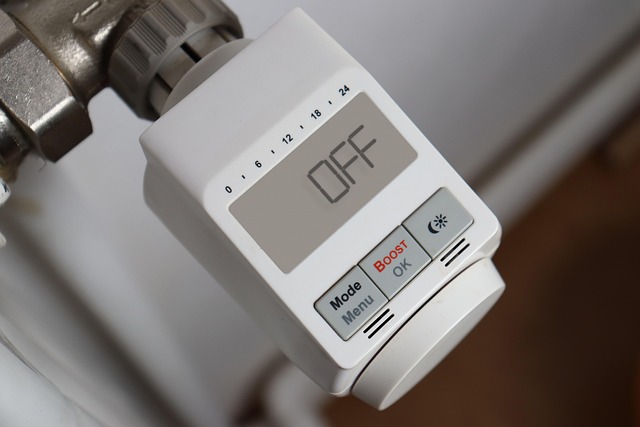
Navigating Installation and Maintenance is Crucial for Long-Term Solar and Geothermal Success. These renewable energy solutions represent a significant investment, but they also offer substantial long-term savings for property owners, especially in terms of reduced utility bills and increased real estate value. A thorough understanding of installation processes and ongoing maintenance requirements is essential to ensure optimal performance and maximize returns on your investment.
Solar panel installation involves careful positioning for maximum sunlight exposure throughout the day and year. Properly installed panels can last 25-30 years with minimal maintenance, requiring occasional cleaning and periodic checks for damage. Geothermal systems, on the other hand, involve drilling into the earth to access consistent temperature fluctuations, which are then harnessed for heating and cooling. While initial installation costs may be higher than solar, geothermal systems have proven to provide consistent energy savings over time, with a lifespan of 25 years or more.
Regular maintenance is key for both systems. For solar panels, biannual inspections by professionals can identify potential issues like loose connections or damage from extreme weather. Geothermal systems also require periodic maintenance, focusing on the heat pump and loop system to ensure efficient operation. While these tasks may incur costs, they are minimal compared to traditional energy bills and contribute significantly to the longevity of your investment. Considerable long-term savings can be achieved when property owners commit to routine care.
A study by the U.S. Department of Energy found that homeowners with solar panels or geothermal heating/cooling systems saw an average reduction in energy costs of 30-50% compared to those using conventional methods. These substantial savings, combined with potential federal and local incentives for adopting renewable energy solutions, make investing in solar or geothermal solutions a smart move for any real estate owner looking to decrease utility expenses and contribute to a more sustainable future.