Solar and geothermal solutions offer real estate investors substantial financial and environmental advantages. These technologies have become cost-effective due to efficiency improvements and incentives like tax credits, resulting in higher property values. Geothermal energy provides consistent comfort and reduces utility costs significantly. While initial costs are high, technological advancements make them increasingly viable. Returns vary by region but offer long-term savings. Geothermal systems have slightly longer paybacks but ensure consistent energy efficiency. Embracing these sustainable innovations delivers substantial savings, resilience against energy price fluctuations, and longevity for real estate ventures.
In today’s rapidly evolving world, the real estate sector faces a pivotal moment in its history – the transition to sustainable energy solutions. The pressing need to combat climate change demands innovative approaches, and among the most promising are solar and geothermal technologies. These renewable sources offer not only environmental benefits but also significant financial gains for property owners.
The current reliance on fossil fuels contributes to a host of environmental issues, including greenhouse gas emissions and resource depletion. Solar and geothermal energy provide viable alternatives, reducing carbon footprints while offering long-term cost savings. This article delves into the advantages, explores implementation strategies, and guides real estate investors toward making informed decisions regarding these game-changing solutions.
Understanding Solar and Geothermal Advantages in Real Estate

Investing in solar and geothermal solutions offers significant advantages within the real estate sector, providing both financial and environmental benefits for property owners and tenants alike. These renewable energy sources have gained traction as sustainable alternatives, yet their full potential remains largely untapped. In an era of rising energy costs and increasing environmental awareness, understanding the unique value proposition of solar and geothermal technologies is crucial for real estate professionals.
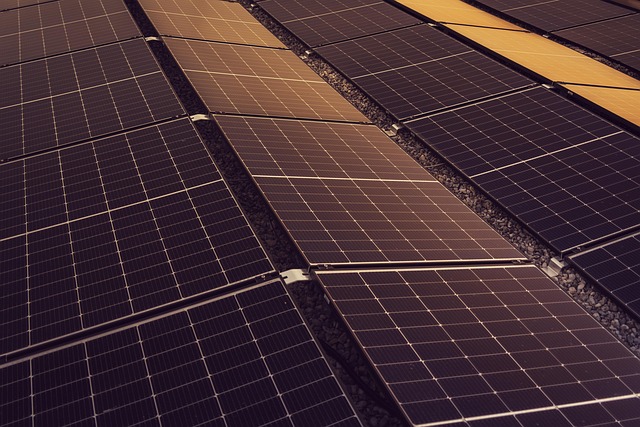
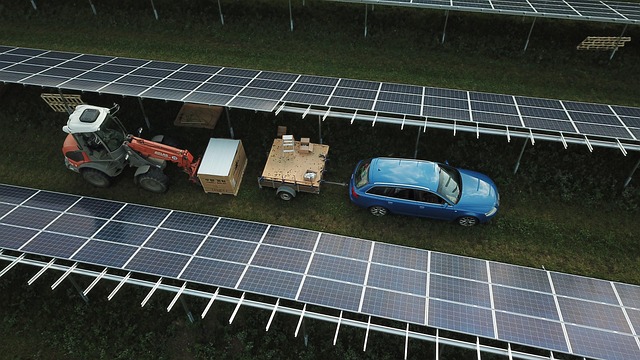
Solar power, harnessed through photovoltaic panels, has experienced remarkable advancements in efficiency and affordability. Installing solar arrays on rooftops or dedicated spaces can reduce electricity bills substantially over time. Moreover, many jurisdictions offer incentives such as tax credits and rebates, making initial investments more accessible. For instance, a 2022 study revealed that homes with solar installations in select markets saw a 15-20% increase in property value, demonstrating the positive impact on real estate assets.
Geothermal energy, leveraging the Earth’s internal heat, provides a consistent and efficient source of power. Geothermal heating and cooling systems offer year-round comfort while significantly reducing utility expenses. These systems are particularly advantageous for multi-family residences and commercial buildings. A case study of a large apartment complex in a geothermal-friendly region showed a 30% decrease in energy costs after implementing a modern geothermal system, showcasing its potential to enhance the financial viability of real estate investments.
Evaluating Costs and Returns for Optimal Investment Strategies

Evaluating Costs and Returns for Optimal Investment Strategies in Solar and Geothermal Solutions requires a nuanced approach, especially within the realm of real estate. While upfront investment can be substantial, long-term financial gains and environmental benefits make these renewable energy sources increasingly attractive. A comprehensive analysis should consider not only capital costs but also operational savings, government incentives, and potential increases in property values.
For solar solutions, tracking global trends reveals significant price drops for solar panels over the past decade, making them more accessible to homeowners and commercial properties alike. In 2021, the average cost of a solar panel system was around $3 per watt, representing a substantial decline from previous years. Additionally, tax credits and rebates can substantially reduce upfront costs. For instance, the U.S. federal solar tax credit offers up to a 30% reduction in installation expenses. Similarly, geothermal heat pump systems have experienced cost reductions due to technological advancements, making them competitive alternatives for heating and cooling.
Returns on investment vary based on energy consumption patterns and local climate. Property owners in regions with higher electricity rates or significant demand for space heating/cooling can expect faster payback periods. According to the U.S. Department of Energy, a typical residential solar panel system in a high-cost area can pay for itself within 5-10 years. Geothermal systems often have slightly longer payback periods but offer consistent energy savings throughout the year. For real estate investors, these savings translate into increased cash flow or higher property values, making them sound long-term investments that contribute to both financial and environmental sustainability.
Implementing and Maintaining Sustainable Solutions for Longevity

Investing in solar and geothermal solutions offers not just environmental benefits but also long-term financial gains, especially in the real estate sector. These sustainable technologies have evolved significantly over the years, becoming more efficient, cost-effective, and easier to implement. For property owners and developers alike, embracing these innovations can lead to substantial savings and increased resilience against energy price fluctuations.
The longevity of solar and geothermal systems is a key advantage. Solar panels, when properly maintained, can last for decades, providing a consistent and reliable source of renewable energy. Similarly, geothermal heat pumps offer a long-term solution for heating and cooling needs, with minimal maintenance requirements compared to traditional HVAC systems. This durability translates into reduced replacement costs and lower operational expenses over the lifespan of these systems, making them attractive investments for real estate ventures.
Practical implementation involves careful planning and consideration of site-specific factors. For instance, in areas with high solar exposure, installing photovoltaic panels can maximize energy production. Conversely, geothermal systems are most efficient in regions with substantial temperature variations between seasons. Expert advice is invaluable during the design phase to ensure optimal performance and longevity. Regular maintenance checks, including cleaning and system checks, are essential to keep these sustainable solutions running at peak efficiency, thereby preserving their long-term viability.