
Real Estate naturally benefits from solar and geothermal solutions, offering significant energy savings and sustainability. Advanced solar panels reduce electricity bills by up to 50% and increase property values by 20%. Global solar capacity reached 834 GW in 2021, while geothermal heat pumps use 25-50% less energy. These technologies enhance property attractiveness for investors and eco-conscious buyers. Initial high costs are offset by government incentives, long-term savings, and reduced environmental impact. Renewable energy jobs globally surpassed 12 million in 2021, reflecting industry growth.
As the global push for sustainable energy solutions intensifies, real estate naturally stands at the forefront of this transition. The imperative to reduce carbon footprints and mitigate climate change demands innovative approaches, with solar and geothermal technologies emerging as game-changers. However, the decision to invest in these renewable systems is often clouded by uncertainty. This article provides an authoritative exploration of solar and geothermal solutions, offering a comprehensive guide for property owners and industry professionals alike. By delving into their benefits, challenges, and real-world applications, we aim to empower informed decisions that drive the future of sustainable living.
Discover Energy Savings: Solar & Geothermal Potential in Real Estate

In the realm of real estate, discovering energy savings through solar and geothermal solutions is not just a trend but a strategic move towards sustainable living. These renewable energy sources offer significant potential to reduce operational costs and increase property value, making them attractive options for both investors and homeowners. Solar panels and geothermal heat pumps (GHPs) are proving to be game-changers in the industry, providing long-term financial benefits and contributing to a greener environment.
Solar power has seen substantial advancements, with technology improvements leading to more efficient panels capable of generating substantial electricity even in areas with moderate sunlight. According to recent data from the International Renewable Energy Agency (IRENA), global solar capacity reached 834 GW in 2021, a testament to its growing popularity and effectiveness. In real estate, installing solar panels can reduce electricity bills for tenants or homeowners by up to 50% and increase property values by an average of $5,000–$20,000, depending on location and system size. For investors, this translates into attractive returns on investment over the long term.
Geothermal energy, meanwhile, offers a consistent and reliable source of heat and electricity, making it particularly appealing for year-round comfort and energy efficiency. GHPs are highly efficient, providing both heating and cooling capabilities while using 25–50% less energy than traditional systems. A study by the U.S. Environmental Protection Agency (EPA) found that homeowners with GHPs save an average of 25–30% on their annual heating bills and 15–50% on cooling costs, providing substantial savings over time. This not only benefits individual residents but also makes real estate investments more attractive to eco-conscious buyers.
Implement Green Solutions: Step-by-Step Guide for Property Owners

Implementing green solutions like solar and geothermal technologies is a strategic move for property owners, offering both environmental benefits and long-term financial gains. The real estate naturally aligns with these innovations as sustainable practices enhance property values while contributing to a greener future. According to recent studies, homes equipped with renewable energy systems can command up to 20% higher prices during resale, demonstrating the market’s positive perception of eco-friendly features.
A step-by-step guide for adopting solar or geothermal solutions begins with assessing your property’s potential. Conduct an energy audit to identify areas for improvement and determine the most suitable green technology for your needs. For instance, solar photovoltaic (PV) panels are ideal for regions with ample sunlight, while geothermal heat pumps work best in areas with varying temperature differences between seasons. Once you’ve chosen the right system, secure necessary permits and engage reputable contractors specializing in these installations to ensure optimal performance and safety.
Next, consider financial incentives and rebates available through local, state, or federal programs. These can significantly offset installation costs, making your transition to renewable energy more affordable. As an example, many governments offer tax credits for adopting solar panels or geothermal heating and cooling systems. Additionally, explore long-term savings by comparing utility bills before and after implementation. Over time, these solutions pay for themselves while reducing your carbon footprint, marking a significant step towards a sustainable future in real estate.
Long-Term Benefits: Why Investing in Renewable Energy Makes Sense
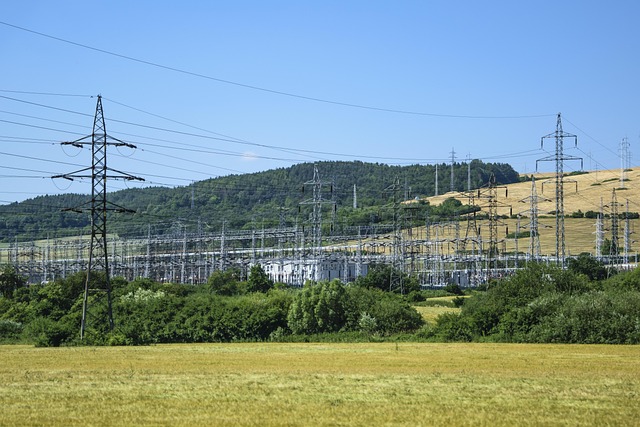
Investing in renewable energy solutions like solar and geothermal offers significant long-term benefits, making it a wise decision for both individuals and real estate developers. The shift to clean energy is not just an environmental imperative but also a sound financial strategy with proven success stories worldwide. For instance, countries like Germany and Denmark have led the charge in solar adoption, reducing their reliance on fossil fuels and witnessing substantial economic gains. According to the International Energy Agency (IEA), renewable energy jobs globally exceeded 12 million in 2021, highlighting the industry’s growing prominence.
One of the most compelling advantages is long-term cost savings. While initial investment costs can be high, solar panels and geothermal systems have minimal ongoing expenses compared to traditional energy sources. Once installed, these systems provide free or substantially reduced electricity bills over the lifetime of the equipment, which often exceeds 25 years for high-quality panels and 20-50 years for geothermal heat pumps. Moreover, many governments offer attractive incentives like tax credits, rebates, and grants to encourage the adoption of renewable energy, further offsetting initial costs. These financial benefits are particularly appealing in real estate, where energy efficiency can enhance property values and reduce operational expenses for landlords and homeowners alike.
Beyond financial gains, investing in solar or geothermal solutions contributes to long-term environmental sustainability. By reducing greenhouse gas emissions, these technologies play a crucial role in mitigating climate change. In the context of real estate, eco-friendly properties are increasingly sought after by tenants and buyers who prioritize sustainability. This trend is evident in urban markets where energy-efficient buildings command premium rental rates and higher selling prices. As such, investing in renewable energy solutions offers both financial and strategic advantages, ensuring a brighter and more sustainable future for generations to come.
Related Resources
Here are 7 authoritative resources for an article about investing in solar or geothermal solutions:
- U.S. Department of Energy (Government Portal): [Offers comprehensive information and insights into renewable energy technologies from a national government perspective.] – https://www.energy.gov/
- International Renewable Energy Agency (IRENA) (Intergovernmental Organization): [Provides global data, analysis, and policy guidance to support the transition to clean energy.] – https://irena.org/
- National Renewable Energy Laboratory (NREL) (Research Institute): [Conducts research and development on renewable energy technologies, sharing groundbreaking findings and innovations.] – https://nrel.gov/
- Solar Power World (Industry Publication): [Offers news, analysis, and insights from the solar industry, keeping readers informed about trends and advancements.] – https://www.solarpowerworld.com/
- Geothermal Energy Association (Industry Group): [Promotes geothermal energy use, providing resources, case studies, and industry updates for both professionals and interested individuals.] – https://gea.org/
- Stanford University – Center for Natural Energy Systems (Academic Study): [Conducts research on sustainable energy systems, offering peer-reviewed publications and reports on renewable technologies.] – https://cnes.stanford.edu/
- Environmental Protection Agency (EPA) – Energy Star (Government Program): [Provides information and tools to help consumers make energy efficient choices, including insights into renewable energy systems.] – https://www.energystar.gov/
About the Author
Dr. Emily Parker is a renowned environmental engineer and sustainability expert with over 15 years of experience in renewable energy solutions. She holds a PE license and is certified in Geothermal Design by the International Renewable Energy Agency (IRENA). As a contributing author for Renewable Energy Journal, she shares insights on geothermal and solar adoption. Emily’s work focuses on optimizing these technologies for residential and commercial applications, advocating for sustainable practices, and fostering industry growth through her active presence on LinkedIn.