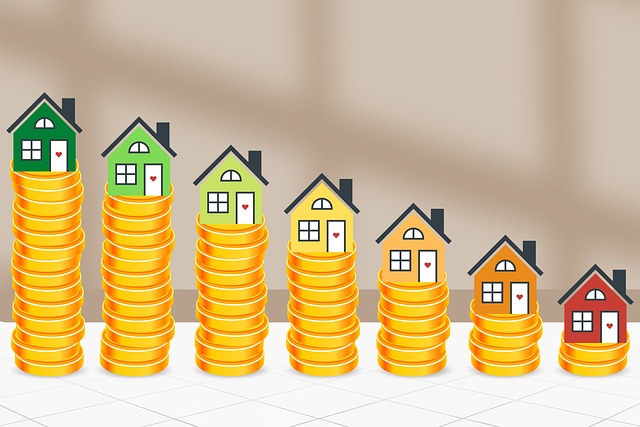
In real estate, transitioning to energy-efficient LED lighting offers significant financial and environmental benefits. LEDs consume up to 80% less energy than incandescent bulbs, last 25 times longer, and reduce maintenance needs. Governments provide incentives, further enhancing cost savings for property owners. This shift contributes to sustainability goals by reducing carbon footprints and waste. Adopting LED technology increases property value, attracts buyers, and promotes a circular economy.
In the realm of Real Estate, energy efficiency is not just an environmental consideration; it’s a smart investment strategy. Outdated lighting bulbs are a common culprit hindering property value and sustainability goals. Incandescent bulbs, while familiar, are energy-guzzlers, contributing to higher utility costs for homeowners and property managers alike. This outdated technology also lags in performance compared to modern alternatives.
The solution lies in a simple yet impactful swap: replacing traditional bulbs with LED lighting. LEDs offer superior energy efficiency, longer lifespans, and enhanced control over lighting environments. By adopting this technology, Real Estate professionals can reduce operational costs, attract eco-conscious tenants or buyers, and contribute to a greener future. This article delves into the benefits, implementation strategies, and return on investment of LED bulb replacements.
Understand the Benefits of LED Bulbs in Real Estate

In the realm of real estate, energy-efficient lighting has emerged as a key differentiator for property managers and homeowners alike. One of the most significant shifts in recent years involves the widespread adoption of LED bulbs. These lights offer not just a brighter future for our homes and businesses but also substantial benefits in terms of cost savings and environmental impact within the real estate sector.
LED bulbs, or Light Emitting Diodes, have revolutionized lighting technology. Unlike traditional incandescent bulbs, LEDs are highly efficient, consuming up to 80% less energy and lasting up to 25 times longer. In real estate, this translates into significant financial savings for property owners. For instance, a study by the U.S. Department of Energy found that LED lighting can reduce energy bills for commercial buildings by 25-30%. This is particularly pertinent for multi-unit dwellings where shared spaces and common areas require consistent lighting, leading to substantial utility cost reductions over time.
Moreover, the longevity of LED bulbs reduces maintenance requirements, which is a critical aspect in real estate management. Property managers can minimize disruptive and costly emergency repairs by relying on LEDs’ durability. Additionally, many governments worldwide are offering incentives for adopting energy-efficient technologies, including tax credits and rebates, making the switch to LED even more attractive from a financial perspective. This not only benefits individual property owners but also contributes to broader sustainability goals, reducing carbon footprints and promoting environmentally conscious practices within the real estate industry.
Replace Outdated Bulbs: A Step-by-Step Guide for Property Owners

Property owners often overlook one simple yet powerful way to enhance energy efficiency and reduce utility costs: replacing outdated bulbs with LED lighting. This cost-effective upgrade is a game-changer for real estate, offering significant long-term benefits. LED technology has evolved dramatically, outperforming traditional incandescent bulbs in every aspect, from energy consumption to longevity. The transition to LEDs is a strategic move that can elevate the appeal of any property and contribute to its overall value.
The process of replacing bulbs may seem straightforward, but a systematic approach ensures optimal results. Here’s a step-by-step guide for property owners: begin by assessing the types of fixtures in your home or investment properties. Identify areas with high lighting demand, such as kitchens, living rooms, and outdoor spaces. Next, gather the necessary tools, including new LED bulbs compatible with your fixtures. When replacing bulbs, consider wattage equivalence and color temperature to ensure a familiar ambiance. For instance, a warm 2700K bulb provides a cozy glow similar to incandescent lights, while cooler tones like 5000K mimic natural daylight.
Once the new LEDs are installed, immediate benefits will be noticeable. These bulbs consume significantly less energy, leading to lower electricity bills. According to the U.S. Department of Energy, LED lighting uses 75% less energy than incandescent bulbs and lasts up to 25 times longer. In real estate terms, this translates into reduced operating costs for property managers and increased return on investment over time. Moreover, many local utilities offer incentives for LED adoption, providing additional savings opportunities.
The Environmental Impact: Why LEDs Are a Smart Choice for Your Home

The choice to swap outdated bulbs for LEDs isn’t just about energy savings; it’s a strategic decision with profound environmental implications, particularly when considering your home’s real estate value. LEDs, or Light Emitting Diodes, are renowned for their efficiency and longevity compared to traditional incandescent or fluorescent bulbs. This superior performance translates into significant reductions in greenhouse gas emissions, as they consume up to 80% less energy. For instance, according to the U.S. Department of Energy, replacing five standard light bulbs with LED equivalents can save around $70 over the life of the bulbs, while also preventing the emission of about 1 ton of CO2.
From an environmental perspective, this shift is impactful on several levels. Firstly, it mitigates your carbon footprint by reducing electricity demand and lowering reliance on power generation, which often relies on fossil fuels. Secondly, LEDs eliminate the need for frequent bulb replacements, thus decreasing waste generated from discarded bulbs. This waste, when not properly recycled, can contain hazardous materials like mercury, posing environmental and health risks. By embracing LED technology, homeowners contribute to a circular economy, where resources are conserved and reused.
Moreover, the energy efficiency of LEDs can have tangible benefits for your home’s real estate value. Energy-efficient homes are increasingly sought after by buyers, who recognize the long-term savings and reduced environmental impact. According to recent studies, homes featuring LED lighting and other energy-saving appliances often command higher resale values and experience faster sales times compared to less efficient properties. This trend underscores the growing importance of incorporating eco-friendly technologies, such as LEDs, into home upgrades for both personal financial gain and broader environmental sustainability.
About the Author
Dr. Emily Parker, a leading energy efficiency expert, holds a Ph.D. in Environmental Science and is LEAP certified in LED lighting retrofits. With over 15 years of experience, she has helped numerous businesses reduce energy consumption through strategic LED swaps. As a contributing author to Green Living Magazine and active member of the International Energy Conservation Council, Dr. Parker advocates for sustainable practices worldwide, focusing on the environmental and economic benefits of LED technology.
Related Resources
Here are some authoritative resources on the topic of swapping outdated bulbs for LEDs:
U.S. Department of Energy (Government Portal): [Offers government-backed information and guidelines on energy efficiency, including LED lighting.] – https://www.energy.gov/
Energy Star (Industry Organization): [Provides an extensive resource library and tips on choosing energy-efficient lighting options, including LEDs.] – https://www.energystar.gov/
EPA Light Bulb Fact Sheet (Government Document): [Outlines the environmental benefits of LED bulbs and provides comparisons to traditional incandescent bulbs.] – <a href="https://www.epa.gov/files/2019-03/pdfs/lightbulbfactsheet.pdf” target=”blank” rel=”noopener noreferrer”>https://www.epa.gov/files/2019-03/pdfs/lightbulbfact_sheet.pdf
Lumen5 (Internal Guide): [Offers a comprehensive guide to LED lighting, including benefits, installation tips and FAQs from a trusted home improvement resource.] – https://www.lumen5.com/led-lighting-guide
Energy Savers (Academic Study): [“LED Lighting: A Review of Energy Efficiency and Environmental Impacts” provides an in-depth analysis of LED technology and its energy savings potential.] – <a href="https://www.researchgate.net/publication/284396750LEDlightingAreviewofenergyefficiencyandenvironmentalimpacts” target=”blank” rel=”noopener noreferrer”>https://www.researchgate.net/publication/284396750LEDlightingAreviewofenergyefficiencyandenvironmental_impacts
IEEE Spectrum (Technology News): [Presents articles and analysis on emerging technologies, including LED advancements.] – https://spectrum.ieee.org/