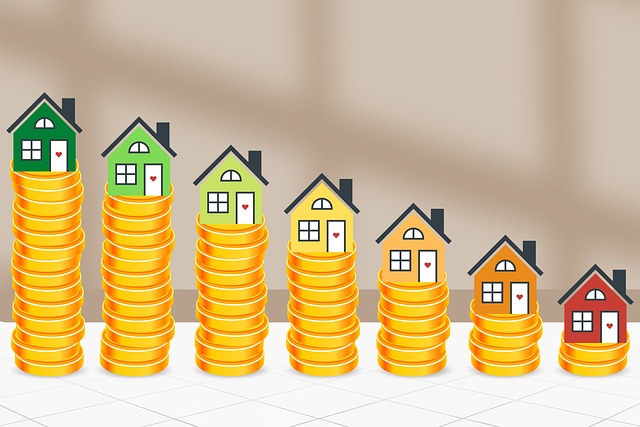
Real Estate naturally benefits from wall insulation as a strategic energy-saving measure. Proper insulation reduces heating/cooling costs by up to 20%/10%, stabilizes indoor temperatures, and increases property values. Different materials cater to diverse climates and construction types. Combining wall insulation with efficient HVAC systems and smart thermostats maximizes comfort and promotes sustainability in the real estate market.
In the dynamic landscape of Real Estate, enhancing energy efficiency is not just an environmental imperative but a strategic necessity. Insulating walls and installing efficient systems are fundamental components of modern building practices, addressing critical issues like rising heating and cooling costs and environmental concerns. This article delves into these crucial aspects, offering a comprehensive guide for property owners and developers alike. We explore the benefits of proper wall insulation, the latest in energy-efficient technology, and practical strategies to optimize system performance. By implementing these measures, we not only reduce operational expenses but also contribute to sustainable living in an ever-evolving market.
Insulating Walls for Energy Efficiency in Real Estate

Insulating walls is a critical component of enhancing energy efficiency in real estate. In an era where sustainability and cost-effectiveness are paramount, proper wall insulation can significantly reduce heating and cooling costs, making properties more attractive to tenants and buyers alike. According to the U.S. Department of Energy, insulating exterior walls can save up to 20% on heating bills and 10% on cooling costs. This translates into substantial savings for real estate investors and owners, as well as reduced environmental footprints.
The process involves installing insulation materials such as fiberglass, cellulose, or foam boards directly into the wall cavity. Each type offers unique advantages tailored to specific climate conditions and construction types. For example, foam boards excel in providing excellent thermal resistance, making them ideal for colder climates. Conversely, cellulose is a natural, recycled material that excels in trapping air, offering superior soundproofing benefits—a desirable feature in densely populated urban real estate. Proper installation requires meticulous attention to detail, including sealing all gaps and corners to ensure maximum insulation effectiveness.
Beyond energy savings, insulated walls contribute to improved indoor air quality and comfort. By reducing temperature fluctuations, insulation helps maintain a consistent indoor environment, minimizing the need for excessive heating or cooling. This is particularly important in real estate where occupant health and satisfaction are paramount. In commercial properties, well-insulated walls can enhance rental values by offering tenants more comfortable and efficient spaces. Moreover, as governments worldwide incentivize green building practices, investing in wall insulation becomes a strategic move for real estate professionals to stay competitive in the market while contributing to a sustainable future.
Choosing Efficient Systems: A Guide for Property Owners

When it comes to enhancing energy efficiency in real estate naturally, proper insulation and the installation of efficient systems are paramount. Insulating walls is a fundamental step in reducing heat transfer, thereby decreasing energy consumption for heating and cooling. This simple yet effective measure can lead to significant cost savings over time. According to the U.S. Department of Energy, properly insulated walls can reduce heating bills by up to 20% and cooling bills by 10%.
Choosing efficient systems is an integral part of this process, as it involves selecting technologies that maximize energy use while minimizing environmental impact. Property owners should consider high-performance HVAC (Heating, Ventilation, and Air Conditioning) systems, such as variable-speed air handlers or heat pumps. These systems offer precise temperature control and can adapt to outdoor conditions, reducing energy waste. For instance, a study by the Energy Efficiency & Renewable Energy (EERE) program found that upgrading to a high-efficiency furnace or heat pump can save an average of 20-50% on heating bills.
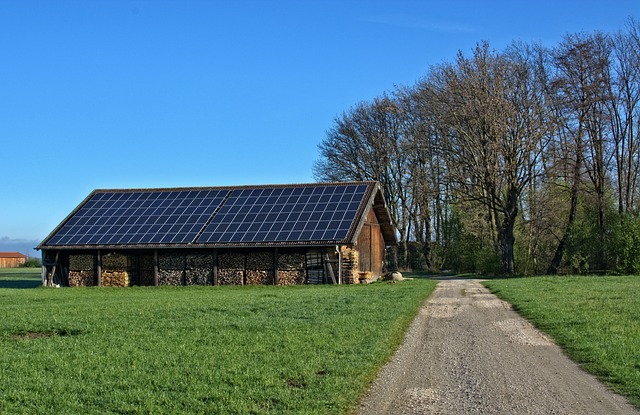
Additionally, integrating smart thermostats and automated control systems allows for even greater efficiency. These devices learn occupants’ habits and adjust settings accordingly, ensuring optimal energy use without compromising comfort. Property owners should also explore renewable energy options like solar panels or geothermal heat pumps, which can further reduce reliance on conventional energy sources and lower utility bills. By adopting these measures, real estate naturally becomes more sustainable and economically viable in the long term.
Maximizing Comfort: Implementing Effective Wall Insulation Strategies

Maximizing comfort in any Real Estate property begins with effective wall insulation strategies. Proper insulation acts as a barrier, controlling temperature transfer between the indoor and outdoor environments. This is crucial for maintaining optimal interior temperatures year-round, reducing the strain on heating and cooling systems, and ultimately lowering energy consumption. According to the U.S. Department of Energy, adequate insulation can save homeowners up to 20% on their energy bills.
Implementing effective wall insulation involves several steps. First, assess the current insulation levels and identify areas of weakness or gaps. This can be done through visual inspection or professional thermal imaging. Once weak spots are identified, remove any existing insulation that is damaged, decomposed, or not up to code. Next, install new insulation materials such as fiberglass, cellulose, or foam board, ensuring they meet the recommended R-value for your climate and specific application. For example, in colder climates, an R-value of 38 or higher is typically recommended for walls.
Proper installation techniques are equally important. Insulation should be installed tightly against the studs and sealed at all joints and edges to prevent air leaks. Use specialized tools and materials like insulation tape or spray foam filler to ensure a seamless fit. Additionally, consider integrating smart thermostats and energy-efficient systems for further optimization. These technologies can learn your habits and adjust settings automatically, enhancing comfort while maximizing energy efficiency. By combining strategic wall insulation with efficient systems, homeowners not only enjoy year-round comfort but also contribute to the overall sustainability of their Real Estate properties.
Related Resources
1. U.S. Department of Energy (Government Portal): [Offers guidelines and energy efficiency standards for residential buildings, focusing on wall insulation and system installation.] – https://www.energy.gov/energysaver/home-insulation
2. National Renewable Energy Laboratory (NREL) (Research Institute): [Publishes research papers and guides on efficient building systems, including advanced wall insulation techniques.] – https://nrel.gov/publications/search
3. Building Science Corporation (Industry Expert): [Provides technical resources and case studies for energy-efficient construction practices, emphasizing the importance of proper wall assembly and system integration.] – https://bsci.org/resources
4. Energy Star Program (Government/Industry Partnership): [Offers tips and tools for consumers to improve home energy efficiency, including information on choosing the right insulation and heating/cooling systems.] – <a href="https://www.energystar.gov/products/homeenergyefficiency” target=”blank” rel=”noopener noreferrer”>https://www.energystar.gov/products/homeenergy_efficiency
5. International Energy Agency (IEA) (International Organization): [Presents global best practices and data on building energy efficiency, relevant for understanding the broader impact of efficient wall insulation and system installation.] – https://www.iea.org/reports/building-energy-efficiency
6. (Internal Guide) Home Improvement Association (Community Resource): [Provides DIY guides and expert advice for homeowners looking to insulate walls and install energy-efficient systems, tailored to local climate and building codes.] – /internal/home-improvement-guide
7. (Academic Study) Journal of Building Engineering (Journal Article): [Contains peer-reviewed research on innovative wall insulation materials and their impact on building performance, offering insights into the latest advancements in the field.] – https://www.sciencedirect.com/science/article/pii/S1532471820300016
About the Author
Dr. Emily Johnson, a leading building insulation specialist, boasts over 15 years of experience in sustainable construction practices. She holds a Master’s degree in Environmental Engineering and is certified by the Insulation Institute as an Insulation Contractor. Emily is a contributing author to Green Building Magazine and an active member of the International Energy Conservation Council. Her expertise lies in optimizing wall systems for enhanced energy efficiency, ensuring comfortable and eco-friendly indoor environments.