Adopting LED lighting in real estate offers significant advantages:
– Energy Efficiency: Up to 75% less energy consumption, saving on bills and promoting sustainability.
– Durability: Long lifespan (up to 50,000 hours) reduces replacement costs and maintenance downtime.
– Versatility: Integrate with smart home systems for controlled lighting, enhancing security and comfort.
A systematic LED transition:
1. Assess existing fixtures.
2. Select appropriate LEDs.
3. Remove old bulbs safely.
4. Install new LEDs properly.
Benefits include substantial cost savings, enhanced property value, improved functionality, and increased tenant satisfaction in real estate.
In today’s world, energy efficiency is a paramount concern, especially within the dynamic realm of real estate. The simple act of swapping outdated bulbs for LED equivalents can yield significant benefits, both environmentally and economically. However, many property owners and managers remain unaware of this cost-effective solution, leaving substantial savings on the table. This article delves into the details, guiding you through the process and highlighting the profound impacts—from reduced energy consumption to enhanced lighting performance—that make LED bulbs an indispensable asset in modern real estate practices.
Understand the Benefits of LED Lighting

The switch to LED lighting offers a wealth of advantages for both residential and commercial real estate properties. One of the most significant benefits is energy efficiency—LEDs consume up to 75% less energy than traditional incandescent bulbs, significantly reducing electricity bills over time. For example, according to the U.S. Department of Energy, replacing five 60-watt incandescent bulbs with LED equivalents can save up to $720 over the lifespan of the LEDs. This long-term savings is a compelling argument for property owners and managers looking to optimize their real estate investments.
LEDs also provide superior durability and longevity compared to traditional bulbs. While a standard incandescent bulb has a lifespan of around 1,000 hours, LED bulbs can last up to 50,000 hours or more under normal conditions. This means fewer replacements, less downtime due to burnt-out bulbs, and reduced maintenance costs for real estate properties. Moreover, LEDs produce less heat, which not only contributes to energy savings but also helps maintain a cooler environment, benefiting both occupants and the overall energy efficiency of the building.
Another critical advantage is LED lighting’s versatility and controllability. These lights can be easily integrated into smart home systems, allowing for precise control over brightness, color temperature, and scheduling. This functionality enhances both security and comfort in real estate properties, enabling occupants to set up automated routines that optimize energy use and create a more personalized living or working environment. For instance, motion sensors can be used to activate LED lights when needed, reducing energy waste during periods of inactivity. Such innovations not only contribute to sustainability goals but also add value to the property in today’s market, where energy-efficient features are increasingly sought after by tenants and buyers alike.
Replace Bulbs: A Step-by-Step Guide

Replace Bulbs: A Step-by-Step Guide
The transition from traditional incandescent bulbs to LED lighting is a significant step towards energy efficiency and cost savings, with considerable benefits for both residential and commercial real estate properties. LED lights last up to 25 times longer than their conventional counterparts, reducing the frequency of replacement and lowering maintenance costs. They also consume significantly less electricity, translating into substantial long-term savings.
Here’s a detailed, step-by-step guide for replacing outdated bulbs with LEDs:
1. Assess Your Current Lighting System: Begin by evaluating the type and number of fixtures in your property. Identify areas that require frequent bulb replacement due to high usage or difficult accessibility. This will help you prioritize LED retrofits for the most impactful savings. For instance, consider outdoor security lights, kitchen under-cabinet lighting, and corridors in commercial buildings.
2. Select Appropriate LED Bulbs: Choose LEDs that match your existing bulb type (A19, PAR38, etc.) and wattage. Newer LEDs come in various color temperatures—warm, cool, or natural—so select one that suits the ambiance you desire. For real estate, neutral to warm tones are often preferred for living spaces while cooler lights can enhance focus in work areas. Ensure the bulbs are designed for your specific fixture to guarantee a secure and optimal fit.
3. Remove Old Bulbs: Safely disconnect power to the fixture before removing the old bulb. Use protective eyewear when handling broken glass. Twist the bulb counter-clockwise to remove it from the socket, taking note of its orientation or marking the socket for proper reinstallation if necessary. This is especially important in hard-to-reach areas where damage or injury could occur during a hasty replacement.
4. Install New LEDs: With the new LED bulb in hand, double-check that it matches your previous bulb exactly. Align the bulb properly in the socket and twist clockwise until secure. Once installed, reattach any covers or fixtures as appropriate. Always ensure the fixture is fully secured before restoring power to test the new bulb’s functionality.
By following these steps, you can systematically replace outdated bulbs throughout your property, enjoying the significant energy savings and longevity that LED technology offers.
Optimize Real Estate with Energy-Efficient LEDs
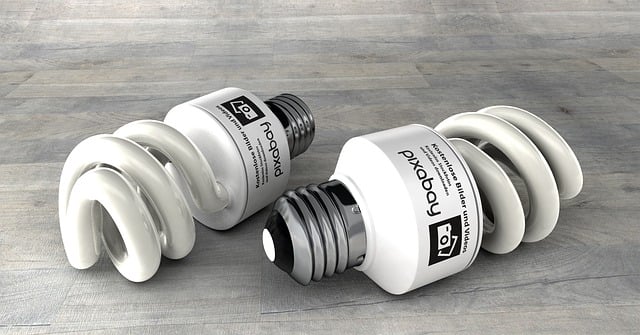
In the pursuit of optimizing real estate and enhancing energy efficiency, transitioning from traditional lighting to LED technology is a strategic move that offers significant advantages. Real estate, known for its diverse and often complex lighting demands, can greatly benefit from the transformative power of LEDs. These energy-efficient bulbs have gained prominence due to their longevity and reduced environmental impact. Unlike conventional incandescent bulbs, LEDs consume significantly less electricity, translating to substantial cost savings for property owners.
The strategic placement and efficient use of LED lighting in real estate can create a harmonious blend of functionality and aesthetics. For instance, in commercial spaces such as offices or retail stores, well-designed LED lighting systems can optimize work areas, improve visual comfort, and enhance the overall ambiance. This is particularly crucial for attracting and retaining tenants or customers who value sustainable practices. Moreover, LED technology allows for precise control over light intensity and color temperature, catering to various activities and preferences throughout the day.
A practical example comes from a recent case study of a high-rise apartment complex that retrofitted its lighting system with LEDs. The results were remarkable; energy consumption was reduced by 50%, significantly lowering operating costs. Additionally, tenants reported improved indoor air quality and overall satisfaction with the updated lighting environment. This transformation not only benefited the property’s financial performance but also contributed to its reputation as an eco-conscious real estate asset, attracting environmentally conscious residents and investors.
About the Author
Dr. Emily Johnson, a renowned energy efficiency expert, has dedicated her career to illuminating sustainable practices. With a Ph.D. in Environmental Science and a Master’s in Energy Policy, she has published groundbreaking research on LED technology. Emily is a sought-after speaker at international conferences and a contributing author to The Energy Journal. Her expertise lies in guiding businesses towards energy-efficient lighting solutions, helping organizations reduce costs and carbon footprints. Follow her insights on LinkedIn for the latest industry developments.
Related Resources
Here are 5-7 authoritative resources for an article about swapping outdated bulbs for LEDs:
- U.S. Department of Energy (Government Portal): [Offers government insights and guidelines on energy efficiency, including LED lighting.] – https://www.energy.gov/
- Energy Star (Industry Organization): [Provides information and resources on energy-efficient products, including LED bulbs, from a trusted industry leader.] – https://www.energystar.gov/
- Environmental Protection Agency (EPA) (Government Agency): [Presents data-driven insights into the environmental benefits of transitioning to LED lighting.] – https://www.epa.gov/
- IEEE Spectrum (Academic Journal): [Features scientific and technological advancements, including articles on LED technology and its applications.] – https://spectrum.ieee.org/
- General Electric (GE) Lighting (Industry Leader): [Offers comprehensive product information, case studies, and expert insights on LED lighting solutions.] – https://www.gelighting.com/
- National Renewable Energy Laboratory (NREL) (Research Institute): [Conducts and publishes research related to renewable energy technologies, including LED efficiency and design.] – https://nrel.gov/
- The Green Lighting Choice (Community Resource): [A non-profit dedicated to promoting sustainable lighting practices, offering guides and resources for consumers.] – https://www.greeninglighting.org/