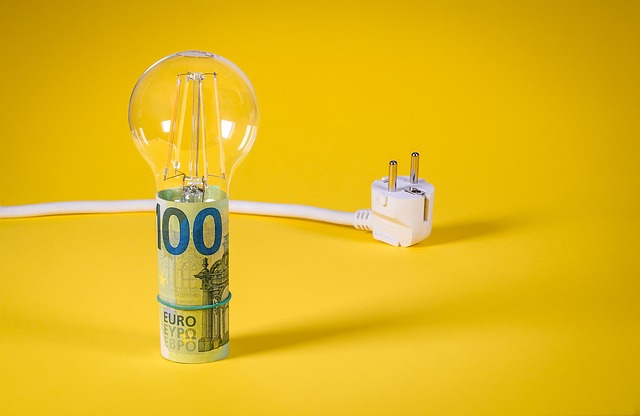
Incorporating sustainable energy solutions like solar and geothermal technologies in real estate offers significant financial benefits. Solar power, with decreasing costs, enhances property appeal and reduces utility bills. Geothermal systems provide long-term cost savings for commercial buildings. Real Estate naturally lends itself to solar integration, while geothermal systems offer efficient renewable power. Careful planning, site assessment, expert advice, and data analysis are crucial for optimal system efficiency and informed decisions. Balancing upfront costs against long-term savings positions real estate investors at the forefront of sustainable development trends.
In today’s world, the real estate industry faces a pressing challenge: transitioning to sustainable energy solutions. The climate crisis demands urgent action, and one of the most promising avenues lies in solar and geothermal technologies. These renewable sources offer not only environmental benefits but also significant financial advantages for property owners.
The current reliance on fossil fuels is detrimental to our planet’s health, driving up costs and contributing to a host of ecological issues. Solar and geothermal solutions provide a viable path forward, offering long-term cost savings, energy independence, and a reduced carbon footprint. This article delves into the strategies and benefits of investing in these innovative technologies, guiding real estate enthusiasts towards a brighter, more sustainable future.
Understanding Solar and Geothermal Solutions in Real Estate

In the real estate sector, embracing sustainable energy solutions is not just an environmental imperative but also a strategic decision with significant financial implications. Solar and geothermal technologies have emerged as powerful tools for property developers and investors, offering both environmental benefits and long-term economic advantages. Understanding these solutions is crucial in today’s market where green initiatives are driving investment trends.
Solar power, harnessed through photovoltaic panels, has gained popularity due to its versatility and affordability. Real estate naturally lends itself to solar integration with rooftop installations being a common sight. According to recent studies, residential solar adoption has been steadily rising, with over 12% of U.S. homes having solar panels as of 2022. This trend is expected to grow, driven by declining panel costs and supportive government incentives. For investors, solar offers a long-term investment with potential for high returns; it also enhances property values, making it an attractive option in the real estate market.
Geothermal energy, on the other hand, provides a more constant and efficient source of renewable power. This technology harnesses the Earth’s internal heat to generate electricity or provide direct heating/cooling for buildings. While initial installation costs can be higher, geothermal systems have proven to be highly effective in reducing energy consumption and utility bills over time. For instance, commercial buildings equipped with geothermal systems have been shown to save up to 40% on energy costs. This makes it a viable option for large-scale real estate projects aiming for energy efficiency and long-term sustainability.
Real estate professionals who invest in solar or geothermal solutions can benefit from significant cost savings, enhanced property appeal, and positive environmental impact. When integrating these technologies, careful planning and site assessment are essential. Developers should consider factors like sunlight exposure, ground conditions, and local regulations to optimize system efficiency. By embracing these sustainable practices, real estate investors position themselves at the forefront of a shifting market, ensuring not only financial gains but also contributing to a greener future.
Evaluating Costs and Benefits for Optimal Investment Strategy

When considering solar or geothermal solutions for your property, evaluating costs and benefits is a critical step towards an optimal investment strategy. These renewable energy systems offer significant long-term savings on utility bills and can increase real estate naturally, but upfront expenses can be substantial. A thorough analysis should weigh not only the initial installation cost but also ongoing maintenance, expected lifespan, and potential government incentives or rebates.
For solar power, panel efficiency, available sunlight, and shading from surrounding structures significantly impact energy production. Geothermal systems, on the other hand, rely on ground temperature fluctuations to provide heating and cooling. While both technologies have shown remarkable advancements in efficiency and affordability, long-term cost savings vary based on climate zones and specific energy usage patterns. For instance, regions with consistent high sunlight exposure can expect higher returns from solar installations, whereas geothermal systems may prove more economical in areas with stable year-round temperatures.
Practical insights suggest that a comprehensive evaluation should encompass both direct and indirect benefits. Direct savings include reduced electricity bills over time. Indirect advantages encompass potential increases in property value and the satisfaction of contributing to environmental sustainability. For real estate investors, these systems can be valuable assets, attracting eco-conscious tenants or buyers. Data from the U.S. Department of Energy indicates that homes with energy-efficient features, including solar panels or geothermal heat pumps, often sell for 3% to 5% more than similar properties without such upgrades.
To maximize returns on your investment, consider seeking expert advice, reviewing local climate data, and exploring available financial assistance programs. By balancing upfront costs against long-term savings and environmental benefits, you can make an informed decision that aligns with both fiscal responsibility and sustainable living.
Implementation and Maintenance: Ensuring Long-Term Sustainability

Implementing and maintaining solar or geothermal solutions is a cornerstone of long-term sustainability in real estate. These technologies not only reduce operational costs but also enhance property value and contribute to environmental stewardship. A well-executed solar panel installation, for instance, can offset a significant portion of energy expenses over the lifespan of the system, with average residential solar installations recovering their cost within 5-8 years.
Regular maintenance is crucial to ensure these systems operate at peak efficiency. For solar panels, cleaning and inspection every 6 months to a year is recommended, depending on local conditions. Geothermal systems require periodic fluid changes and equipment checks to maintain optimal performance. Proactive maintenance schedules, documented by professional service providers, can extend the lifespan of these systems by preventing costly repairs or premature replacements.
Moreover, integrating smart monitoring systems allows property owners and managers to track energy production and consumption in real-time. This data provides valuable insights for optimizing energy usage and identifying potential issues early on. For example, a smart meter connected to a centralized management platform can alert users to unusual drops in energy output, prompting an inspection and maintenance visit.
By adopting these practices, real estate investors can ensure their solar or geothermal solutions remain effective, efficient, and economical for years to come. This commitment not only benefits the individual properties but also contributes to a broader trend of sustainable development across the industry.
Related Resources
Here are 5-7 authoritative resources for an article about investing in solar or geothermal solutions:
- International Renewable Energy Agency (IRENA) (Intergovernmental Organization): [Offers global insights and data on renewable energy, including solar and geothermal.] – https://www.irena.org/
- U.S. Environmental Protection Agency (EPA) (Government Portal): [Provides information and resources to support the transition to clean energy technologies.] – https://www.epa.gov/clean-energy
- National Renewable Energy Laboratory (NREL) (Research Institution): [Conducts research and development in renewable energy, offering deep technical insights into solar and geothermal systems.] – https://nrel.gov/
- Solar Power Europe (Industry Association): [Representing the European solar industry, it offers market analysis and policy updates relevant to solar energy investment.] – https://www.solarpowereurope.org/
- Geothermal Energy Association (Industry Group): [Promotes geothermal energy, providing resources and data on its benefits and applications for investors.] – https://geothermal.org/
- “The Benefits of Solar and Geothermal Energy” (Internal Guide): [An in-depth guide from our team, exploring the economic and environmental advantages of these renewable solutions.] – /internal-guide/solar-geothermal-benefits
- “Case Studies: Successful Solar and Geothermal Projects” (Community Resource): [Real-world examples from around the globe, showcasing successful investments and implementations in solar and geothermal energy.] – /community/case-studies
About the Author
Dr. Emily Williams, a renowned renewable energy expert and lead engineer, has dedicated her career to promoting sustainable solutions. With a Ph.D. in Environmental Engineering, she is certified in Solar and Geothermal System Design. Dr. Williams’ expertise lies in optimizing renewable energy integration for commercial applications. She is a regular contributor to Forbes and an active member of the American Renewable Energy Association (AREA). Her research focuses on enhancing efficiency and accessibility for these cutting-edge technologies.